Replacing Turf With Low-Water Lawns
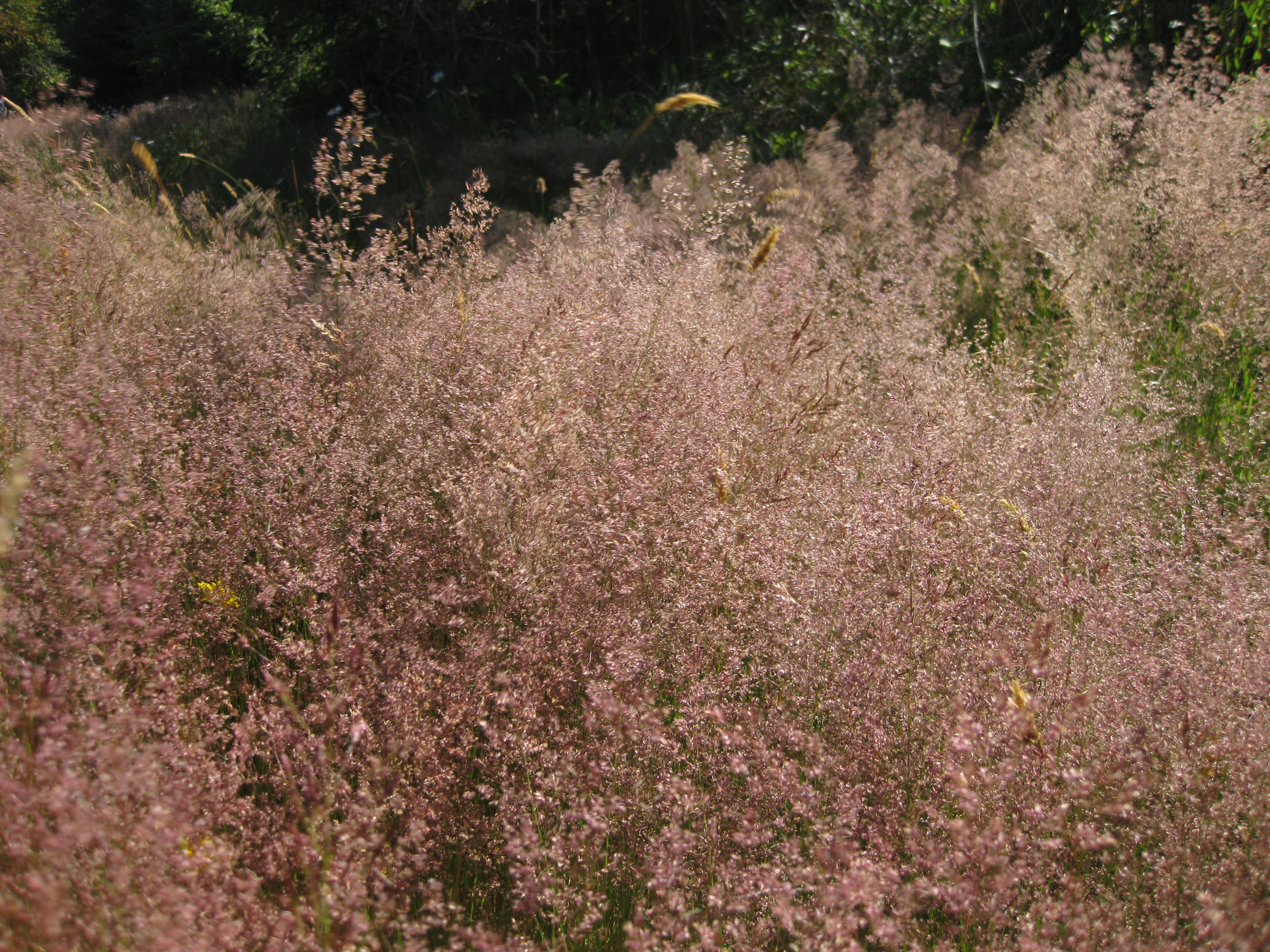
Conventional Canadian lawns lean heavily on Kentucky bluegrass, a cool-season species that stays green through summer mainly because it is watered. In regions with hot, dry mid-summers, such as southern Alberta and the southern Interior of British Columbia, that watering becomes the single largest outdoor household water use. Reducing it usually means changing what grows underfoot rather than simply watering the same lawn less.
Why bluegrass is thirsty
Kentucky bluegrass has shallow roots and goes dormant under drought stress, turning brown until moisture returns. Many homeowners respond by irrigating to keep it green, which locks in a high-water routine. The alternatives below either tolerate dormancy gracefully or root more deeply, so they look acceptable on far less supplemental water.
Three practical alternatives
Fine fescue blends
Fine fescues, including creeping red, chewings, and hard fescue, form soft, fine-bladed turf that tolerates shade and drought once established. They grow slowly, so mowing is less frequent, and many blends can be left longer or even unmown for a meadow-like look. They prefer well-drained soil and dislike heavy foot traffic and waterlogged ground.
Micro-clover and clover blends
Micro-clover is a small-leaved selection of white clover often mixed with grasses. As a legume it fixes nitrogen, reducing or removing the need for fertilizer, and it stays green in dry spells when grass browns. It does flower, which attracts bees, so it suits households comfortable with pollinator activity in the lawn.
Tapestry and eco-lawns
A tapestry lawn mixes several low-growing species, such as fescues, clover, yarrow, and self-heal, into a varied, resilient carpet. Because no single species has to carry the whole lawn, the planting tends to stay green somewhere even when conditions stress one component.
| Option | Relative water need | Mowing | Best fit |
|---|---|---|---|
| Kentucky bluegrass | High | Frequent | Heavily used play areas with irrigation |
| Fine fescue blend | Low to moderate | Infrequent | Shaded, low-traffic yards |
| Micro-clover mix | Low to moderate | Moderate | Households wanting low fertilizer use |
| Tapestry lawn | Low | Occasional | Informal, naturalistic landscapes |
Most low-water lawns still need regular watering through their first season to establish roots. The water savings appear once the planting is mature, not in the first few weeks.
Establishing a new lawn
- Remove or smother the existing turf, then loosen compacted soil and add compost.
- Sow in late summer or early fall in much of Canada, when soil is warm but air is cooling.
- Keep the seedbed consistently moist until germination, then taper watering as plants root.
- Hold off on heavy use until the new lawn has knit together, usually by the following season.
Local considerations
Freeze-thaw cycles, snow cover, and short growing seasons shape what succeeds. Provincial and municipal water utilities in drier regions periodically publish outdoor watering guidance and lawn-conversion information; checking local recommendations before reseeding helps match species to the regional climate and any seasonal watering restrictions.
Continue with ground covers for Canadian yards for the areas where even a low-water lawn is not the right answer, or read the xeriscaping principles that tie a whole low-water landscape together.