Ground Covers for Canadian Yards

Ground covers are low, spreading plants used where a lawn is impractical: shaded corners, dry strips along driveways, slopes that are awkward to mow, and the spaces between stepping stones. Chosen well, they suppress weeds, hold soil against erosion, and need little water once their roots reach down. This article focuses on the categories that suit Canadian yards rather than a single ranked list.
Match the plant to the spot
The most common mistake is planting one ground cover everywhere. A sun-loving succulent that thrives on a hot south slope will rot in damp shade, while a woodland creeper that carpets a shaded bed will scorch in full sun. Start by reading the site: how much sun it gets, how the soil drains, and how much foot traffic it must handle.
For hot, dry, well-drained sites
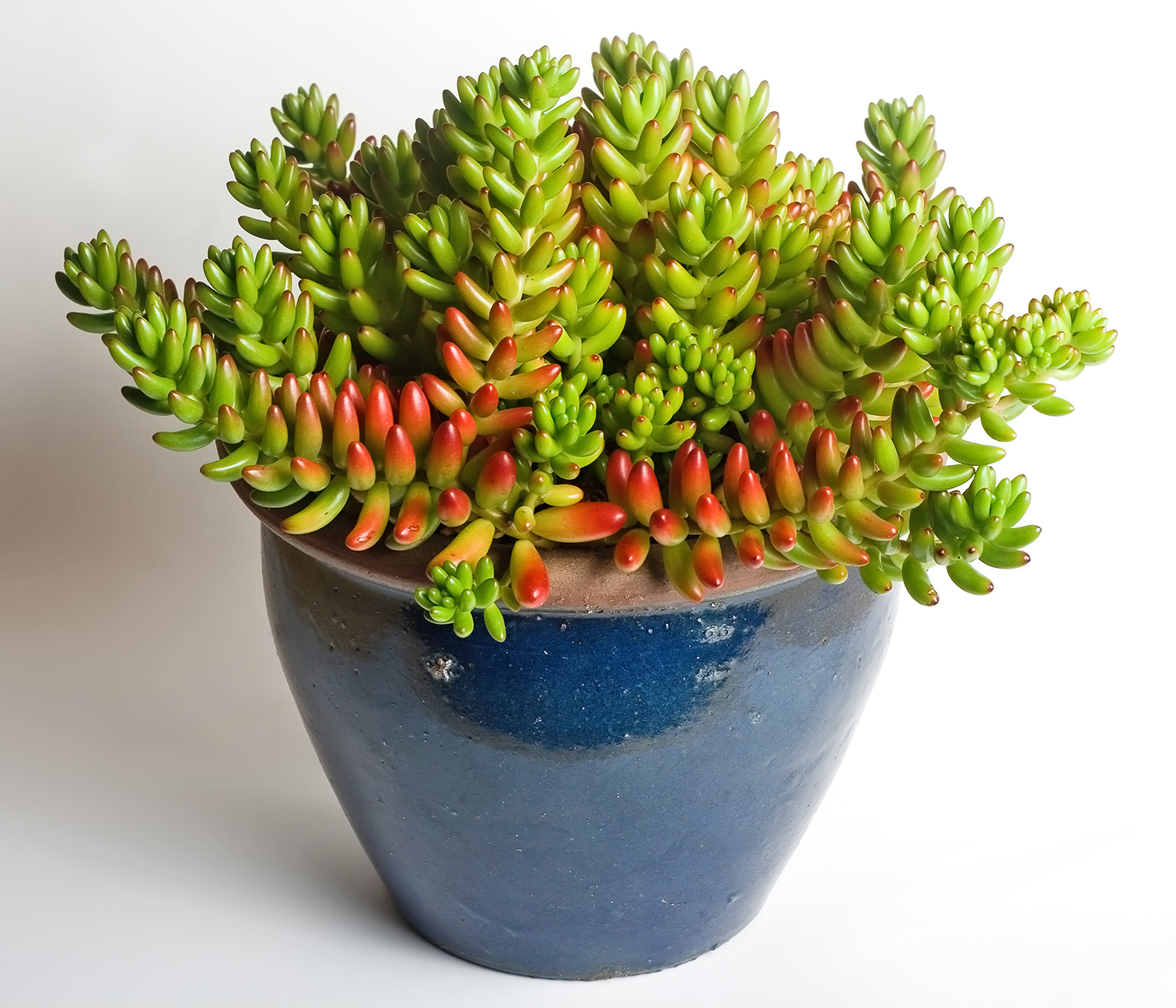
Stonecrops (Sedum) and other low succulents store water in their leaves and shrug off heat. They establish quickly on gravelly soil, on green roofs, and along reflective driveway edges where ordinary plants struggle. Most spread by creeping stems that root as they go, so a few plugs eventually knit together.
For light foot traffic
Creeping thyme and similar low aromatic plants tolerate the occasional footstep and release scent when brushed, which makes them popular between pavers and along informal paths. They prefer sun and sharp drainage and dislike sitting in winter wet.
For shade
In shaded beds under trees, look to spreading woodland plants and low ferns that evolved for dappled light and leaf-litter soil. They generally want more consistent moisture than the succulents above, so they pair poorly with the driest, sunniest corners.
Quick comparison
| Situation | Type to consider | Note |
|---|---|---|
| Hot south slope | Sedum / stonecrop | Excellent drought tolerance once rooted |
| Between pavers | Creeping thyme | Handles occasional steps; aromatic |
| Dry shade under trees | Low woodland spreaders | Wants steadier moisture than succulents |
| Erosion-prone bank | Vigorous matting spreaders | Prioritize fast soil coverage |
Before planting any vigorous spreader, check whether it is considered invasive in your province. A plant that behaves in one region can overrun gardens and natural areas in another.
Establishing ground cover
- Clear weeds thoroughly first; ground covers compete poorly while young.
- Space plugs based on the plant's spread so they close gaps within a season or two.
- Mulch the bare soil between plants to limit weeds until the cover fills in.
- Water regularly through the first season, then reduce as the planting matures.
For larger open areas, a low-water lawn may still be the better fit; see replacing turf with low-water lawns. To plan the whole space around water efficiency, read xeriscaping principles explained.